
Mental Health and Economic Impacts Dashboard and Report
We have created interactive dashboards to showcase the personal impact these terminations had on respondents. We also created a report with static images of the same information for readability, to publish, and for printability.
Mental Health Dashboard

Mental Health & Economic Impact Report
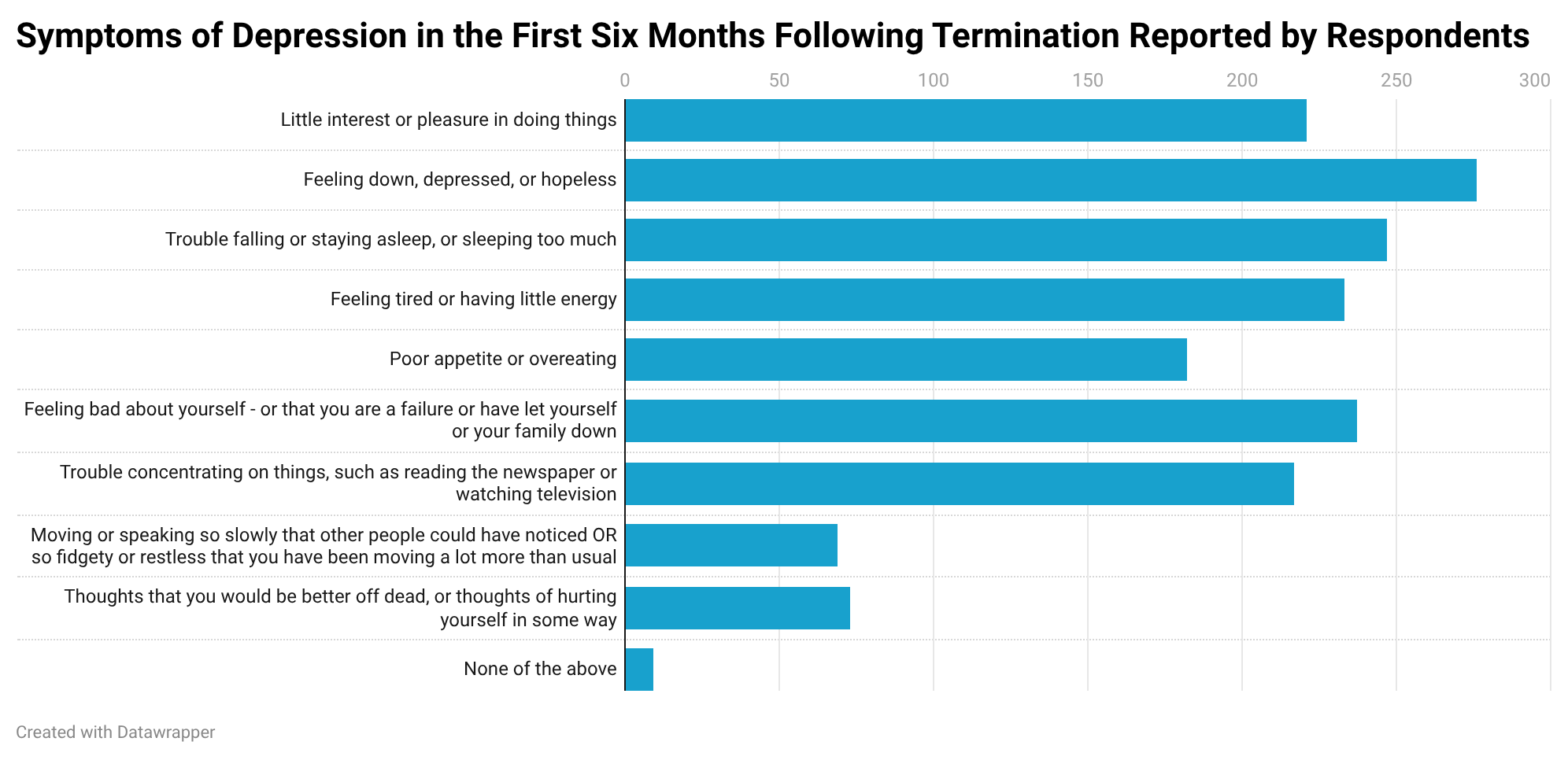
Graph 1 — Symptoms of Depression in the First Six Months Following Termination The most commonly reported depression symptom was "feeling down, depressed, or hopeless," reported by nearly 300 federal workers. Other widely reported symptoms included trouble sleeping, fatigue, feelings of failure, and trouble concentrating.
The unlawful termination of federal probationary employees did not just disrupt careers, it triggered a mental health crisis for hundreds of public servants. In the six months following their firing, fired federal workers reported overwhelming rates of depression, anxiety, and trauma symptoms. Depression symptoms were equally widespread; "feeling down, depressed, or hopeless" was reported by close to 300 federal workers, making it the single most commonly reported symptom across the entire survey.
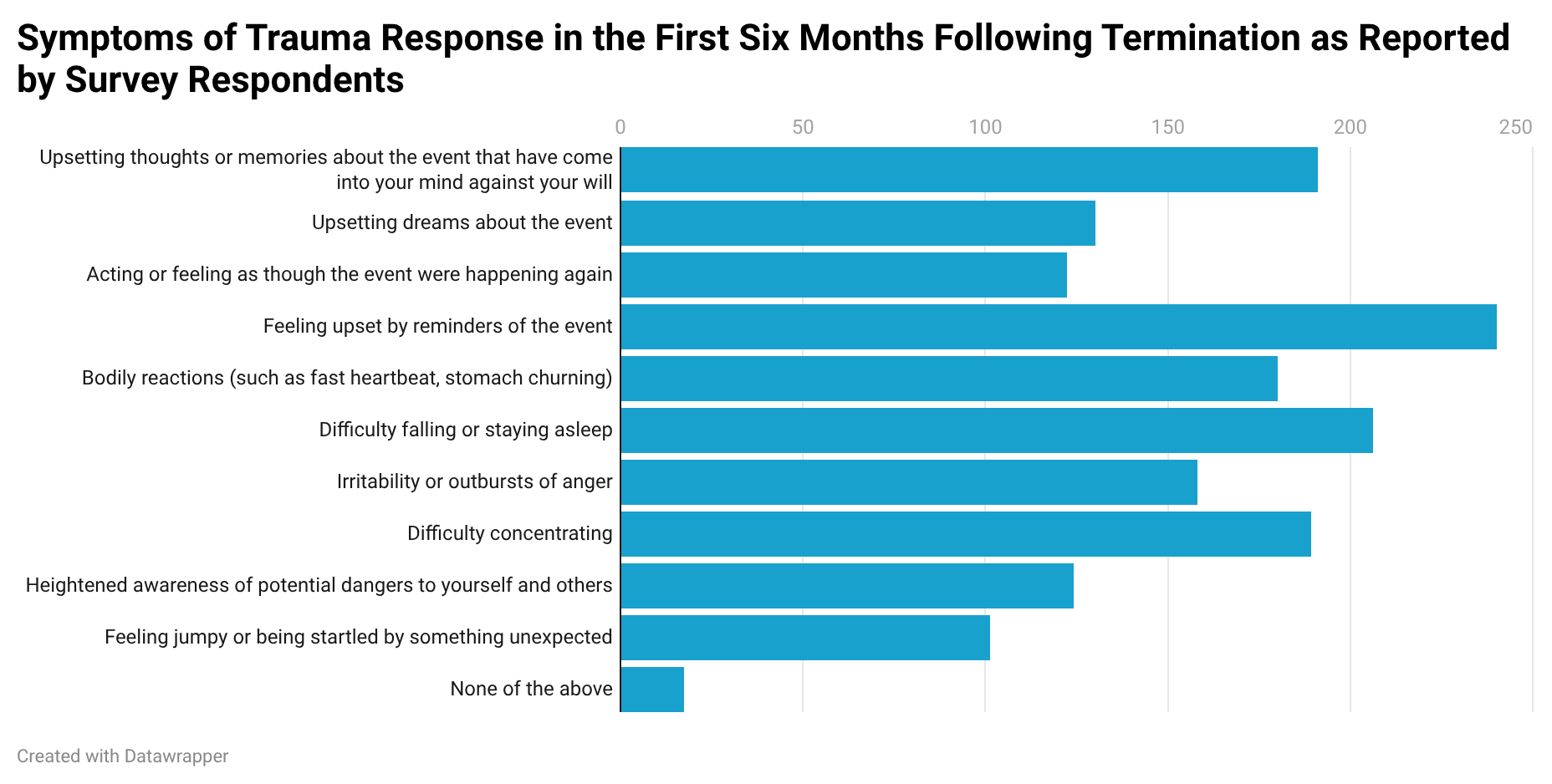
Graph 3 — Symptoms of Trauma Response in the First Six Months Following Termination: Feeling upset by reminders of the event' was the most commonly reported trauma symptom, cited by 240 workers. Difficulty sleeping (206), intrusive memories (191), bodily reactions such as fast heartbeat and stomach churning (180), difficulty concentrating (189), and irritability or outbursts of anger (158) were all widely reported. These are the hallmarks of Post-Traumatic Stress Disorder. Only 17 of 306 reported none of the above.
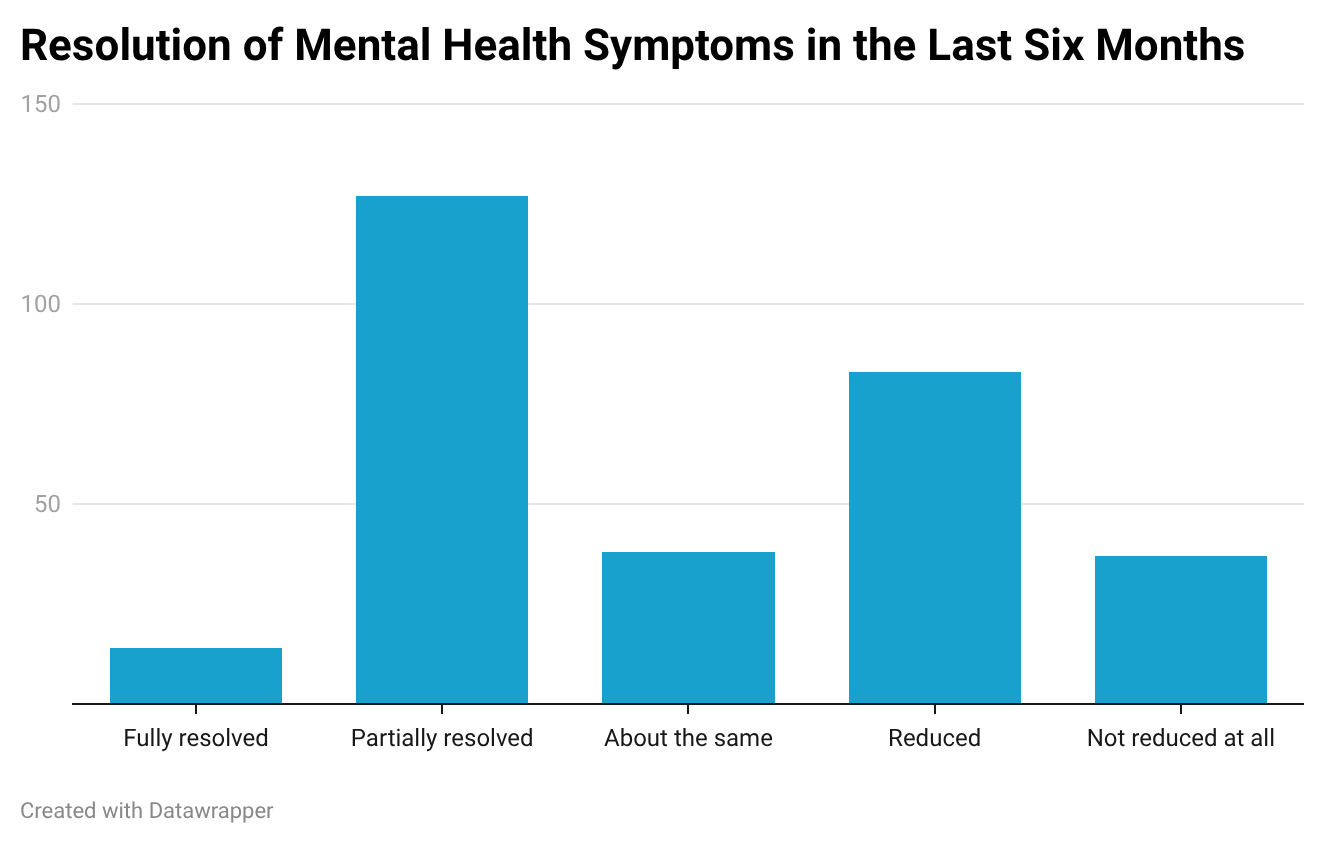
Graph 4 — Resolution of Mental Health Symptoms in the Last Six Months: The largest group of federal workers reported their mental health symptoms were only partially resolved. A significant number reported symptoms were "reduced" or "about the same," and a notable group reported symptoms were "not reduced at all." Only a very small number reported their symptoms were fully resolved, indicating that for most fired federal workers, the psychological impact of their termination remains ongoing.
“Going through this experience while I was 8 months pregnant was one of the hardest times of my life. It impacted my ability to enjoy my pregnancy and new baby... this will reverberate through my life for years.”
“This was one of the most traumatic events for myself and family. I am heartbroken that my country would do this to public servants.”
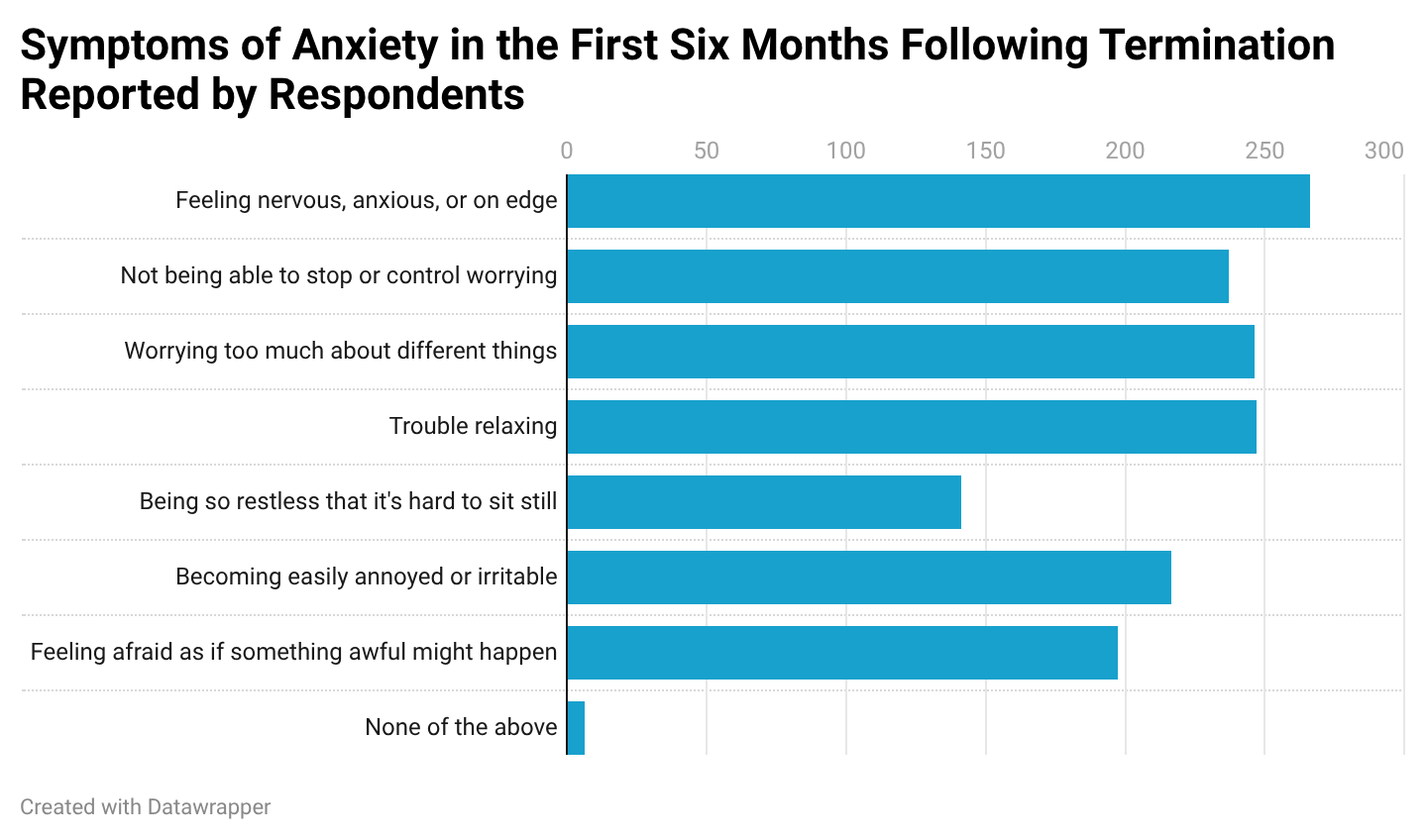
Graph 2 — Symptoms of Anxiety in the First Six Months Following Termination Anxiety symptoms were reported at extremely high rates across all categories. "Feeling nervous, anxious, or on edge" was the most common, reported by approximately 260 federal workers. "Not being able to stop or control worrying," "worrying too much about different things," and "trouble relaxing" were all reported by more than 200 federal workers. Almost no one reported none of the above.
The impact on daily life was nearly universal. 95% of fired federal workers reported that new mental health symptoms affected their personal wellbeing, and 25% started new medication to manage symptoms that did not exist before their termination. These numbers reflect not a temporary period of stress, but a sustained and serious mental health crisis caused directly by an unlawful government action.

Graph 5 — Percentage of Federal Workers Reporting New Mental Health Symptoms Impact Personal Wellbeing 95% of fired federal workers reported that new mental health symptoms had a negative impact on their personal wellbeing. Only 5% said no.
Trauma symptoms told a similarly alarming story. "Feeling upset by reminders of the event" was the most reported trauma symptom, followed closely by difficulty sleeping and intrusive memories. These are not abstract psychological categories, they are the hallmarks of Post-Traumatic Stress Disorder, and the data shows they were experienced at scale. When asked whether their mental health symptoms had resolved, very few federal workers reported full resolution. The largest group reported symptoms only partially resolved, with significant numbers reporting their symptoms were either reduced, about the same, or not reduced at all, meaning for the vast majority, the damage done by these firings is still being felt today.

Graph 6 — Percentage of Federal Workers Who Started New Medication for Mental Health Symptoms 25% of fired federal workers started new medication to manage mental health symptoms following their termination — symptoms they did not have before being illegally fired.
Related Quotes
“2025, due to my illegal termination, was the worst year of my life. The action made me feel so worthless and less than, and the stress that continues to persist at all times from this Administration is wreaking havoc on my mental and physical health.”
“I don’t think I will ever entirely recover from the trauma of this... Any time I get a letter or an email from the government, or a text from my boss I panic. I still have a full body panic response remembering how terrified I was.”
“This was my first engineering job fresh out of college. This wasn’t just about losing a job. I lost a part of myself... Over the past year, I’ve applied to 160 jobs and gone through 10 interviews. Every rejection felt like salt in a wound. My passion for engineering dimmed and the idea of working again feels exhausting. It’s been a year long struggle of uncertainty and depression”
“I still have nightmares about the firings. Accepting a role with the federal government was the worst mistake of my life, despite it being my dream job. I am now critically underemployed... I took a $45k pay cut to work for the state government in a role requiring a BA+1yr experience, but I have a BA, MA, MEd, and PhD with 15 years experience.”
“I am still taking off unpaid leave, after exhausting paid leave, to manage the resulting PTSD and depression.”
“For me, the biggest damage has been mental and emotional. I worked for decades toward this career, and I feel like I was tossed aside for no good reason... I’m still so angry and hurt by the entire thing.”
“This illegal firing completely disrupted my life and all the plans my husband and I were starting to make for buying a home and having a family. I’m 41, and because of everything that happened we had to make the decision to no longer start trying for a baby”
“One of my young-adult children reacted much more strongly — requiring emergency medical attention after a drug overdose.”
“I uprooted my entire life with the hope of helping others... In this last week, one year following my termination, I have been more depressed, jaded, and fatigued than I’ve ever been in my life.”
Economic Impact Report
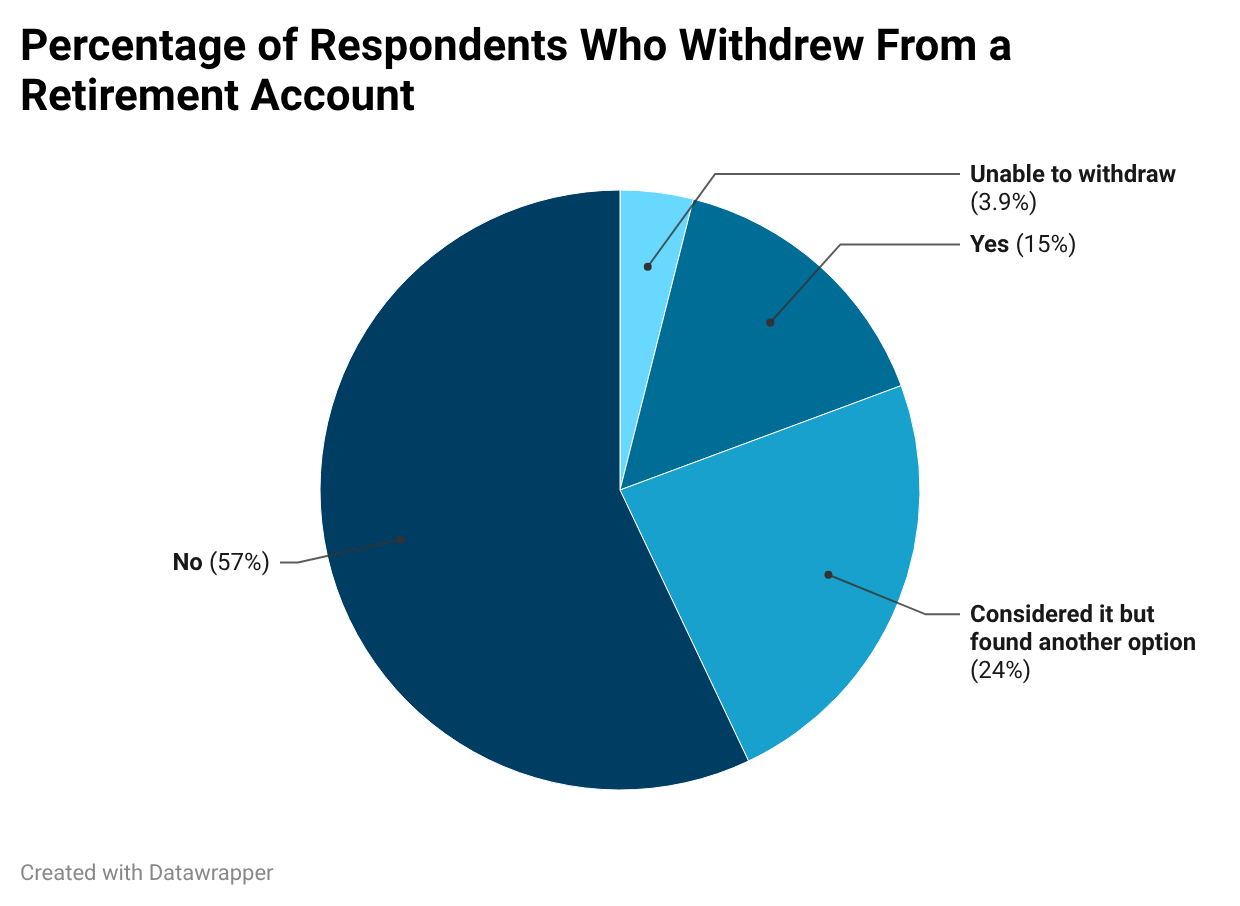
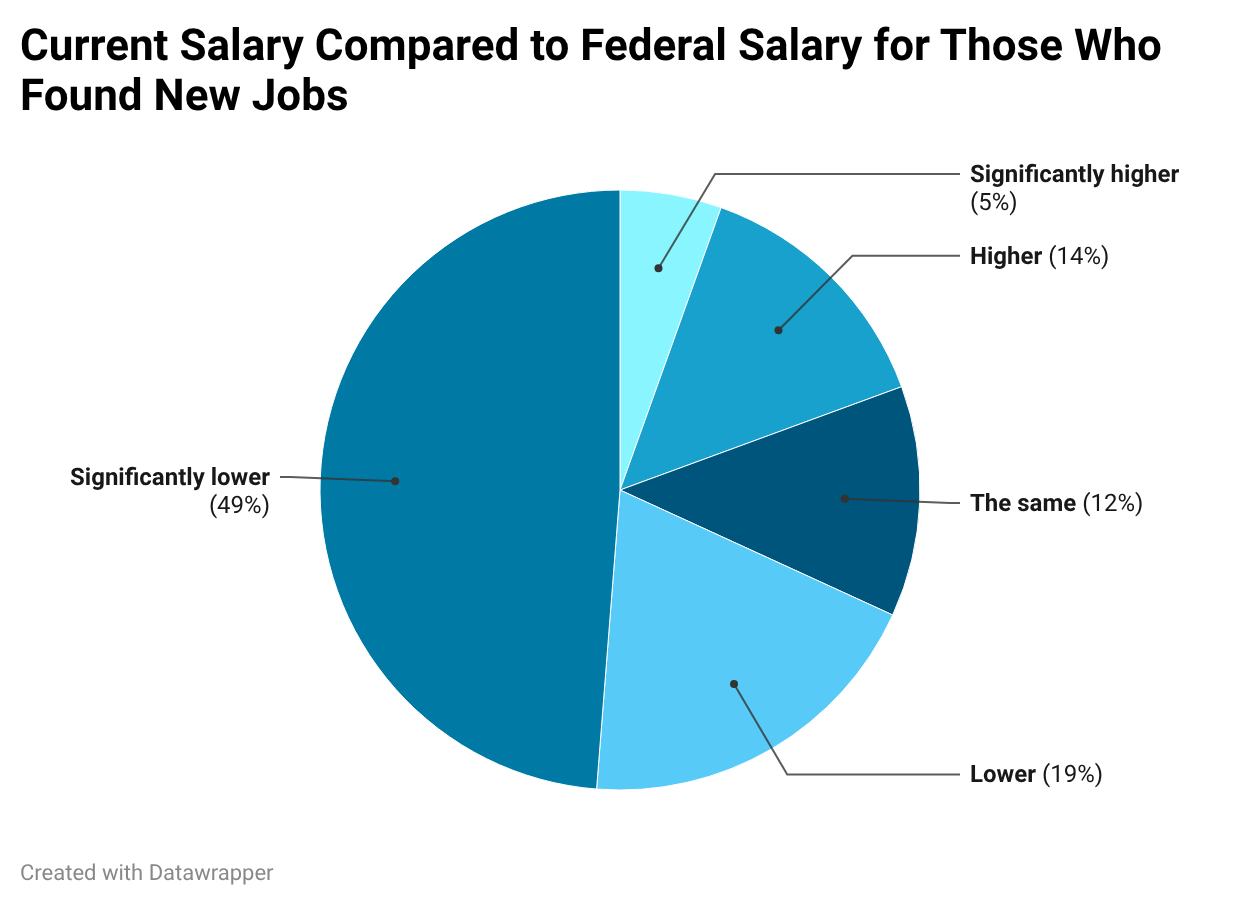
From both the quotes submitted, and the questions responded, we noticed significant impacts to probationary employees’ financial situations. After being fired, To start 71% fFiled for unemployment, and of that 71%, 22% were denied unemployment.* Of those impacted, 13% took out a loan and 15% withdrew from their retirement savings. Additionally, further salaries of 68% those who are currently working reported that their new salary is “lower” or “significantly lower” than their previous salary.
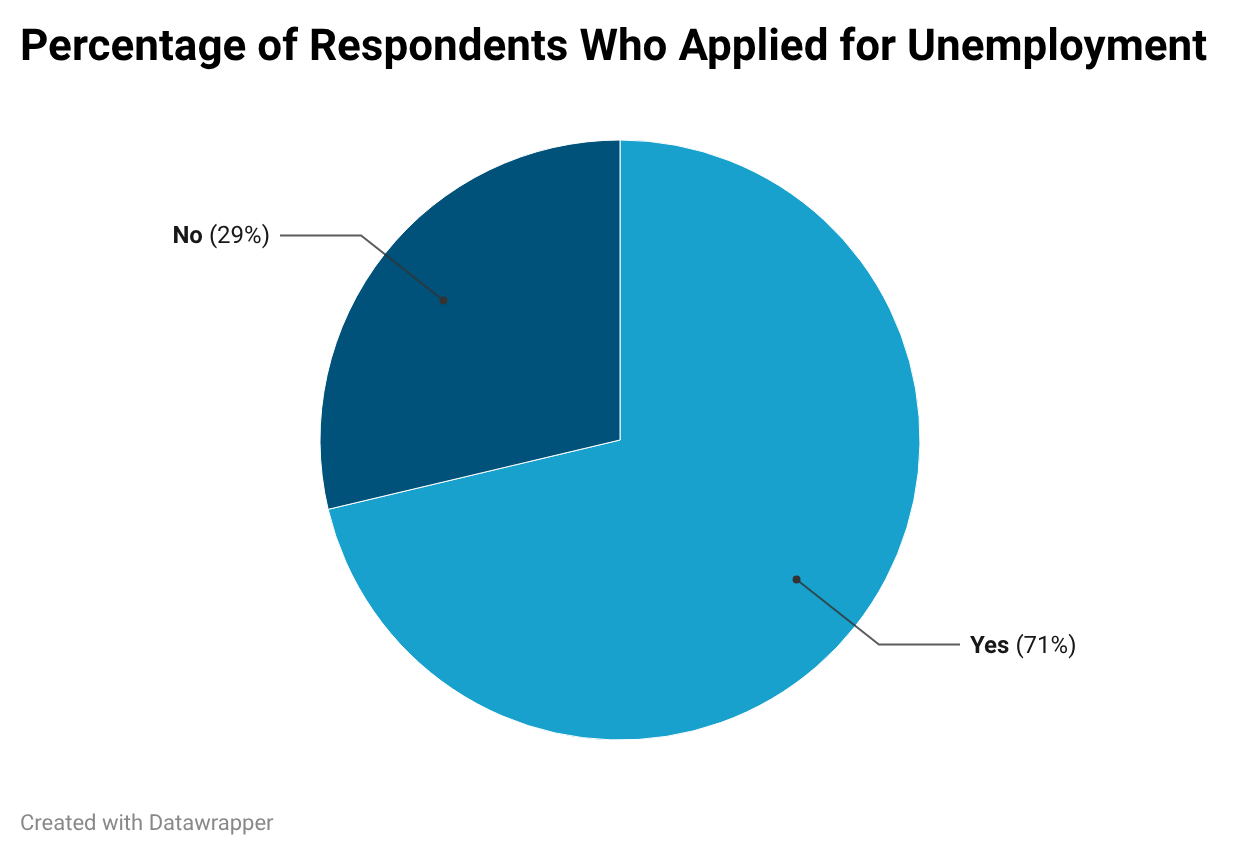
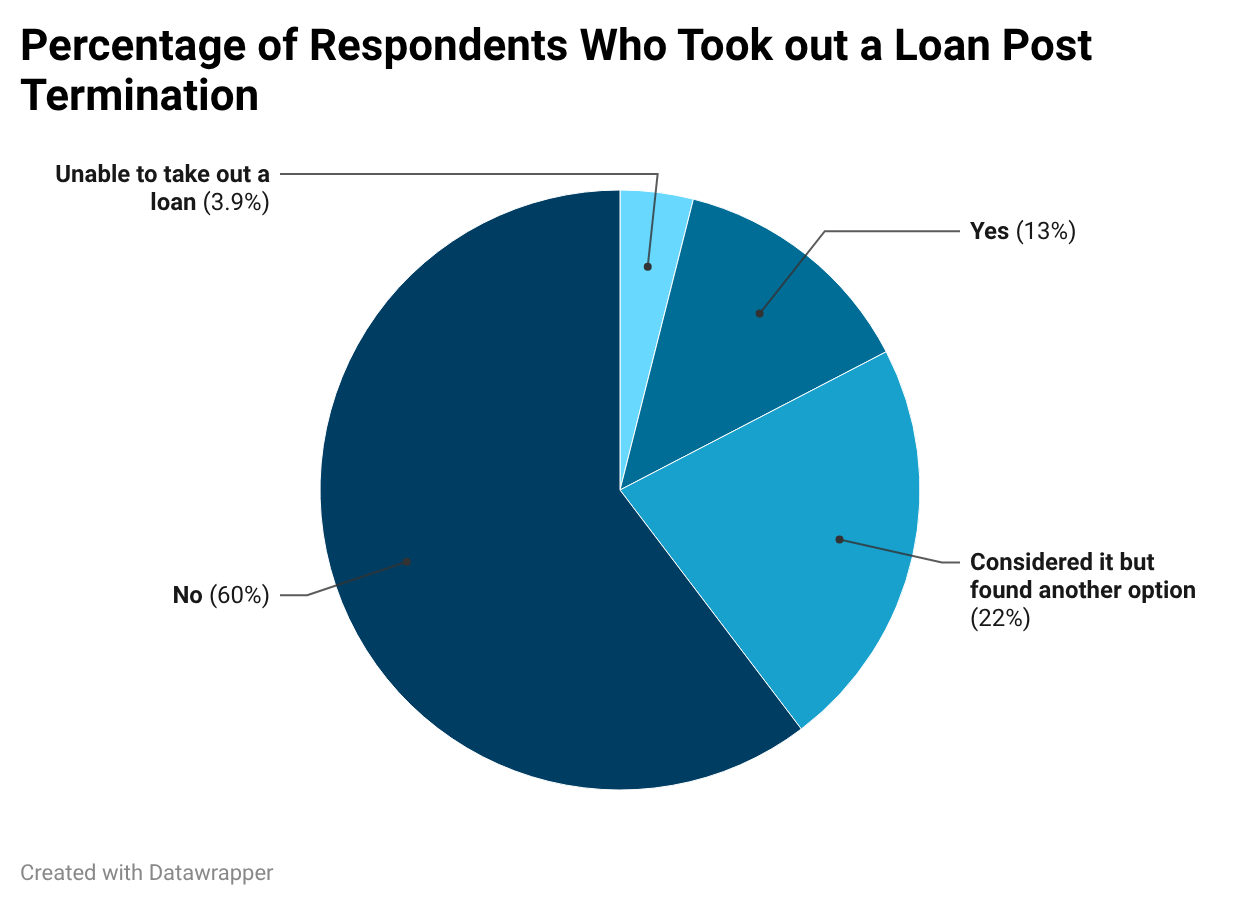
Chart # — 71% of fired federal workers filed for unemployment. Of those who applied, 22% were denied benefits by their state government.
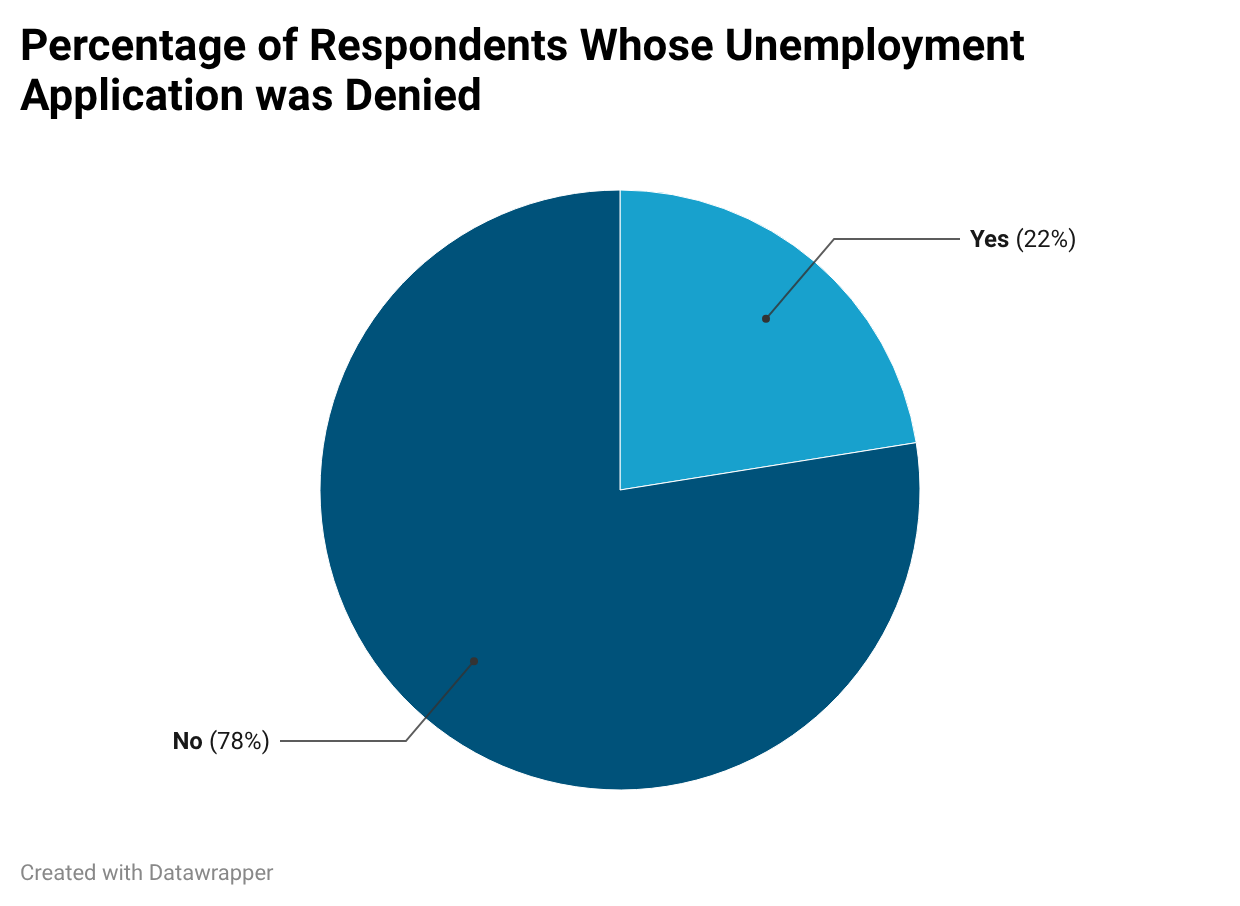
Of those who applied, 22% were denied benefits by their state government.
Economic Impact Report
“Loss of a 30+ year career and unable to get a job in my very specialized field that I dedicated my entire career to developing in service to the American people. Profound trauma with the way USAID employees were treated that remains unresolved , resulting in significant emotional and physical ongoing repercussions. Ongoing financial struggles with the constant threat of loosing my home, not being able to but food on the table, not being able to afford health insurance, etc”
“Personal loss in wages caused financial disarray and now working getting paid significantly less at a lower level in another agency, seasonal”
“The fear of losing my DC home, friends, family, and the life and career I have purposefully built here makes me even more sick and anxious daily. It truly feels like we are stuck in a pit of despair with no relief or other way out.”
“This situation has had a significant financial and personal impact on my family. I am responsible for supporting my child and assisting my disabled parents. The prolonged stress and uncertainty have also affected my health, leading to severe migraines and spinal pain that required medical treatment and procedures.”
“I am now on food stamps and at the risk of losing my home. I had a full-time job that I left and now I can’t get a job.”